


Transform your landscape with our expert tree and lighting services. Our skilled team creates captivating outdoor spaces that radiate beauty and invite enjoyment.
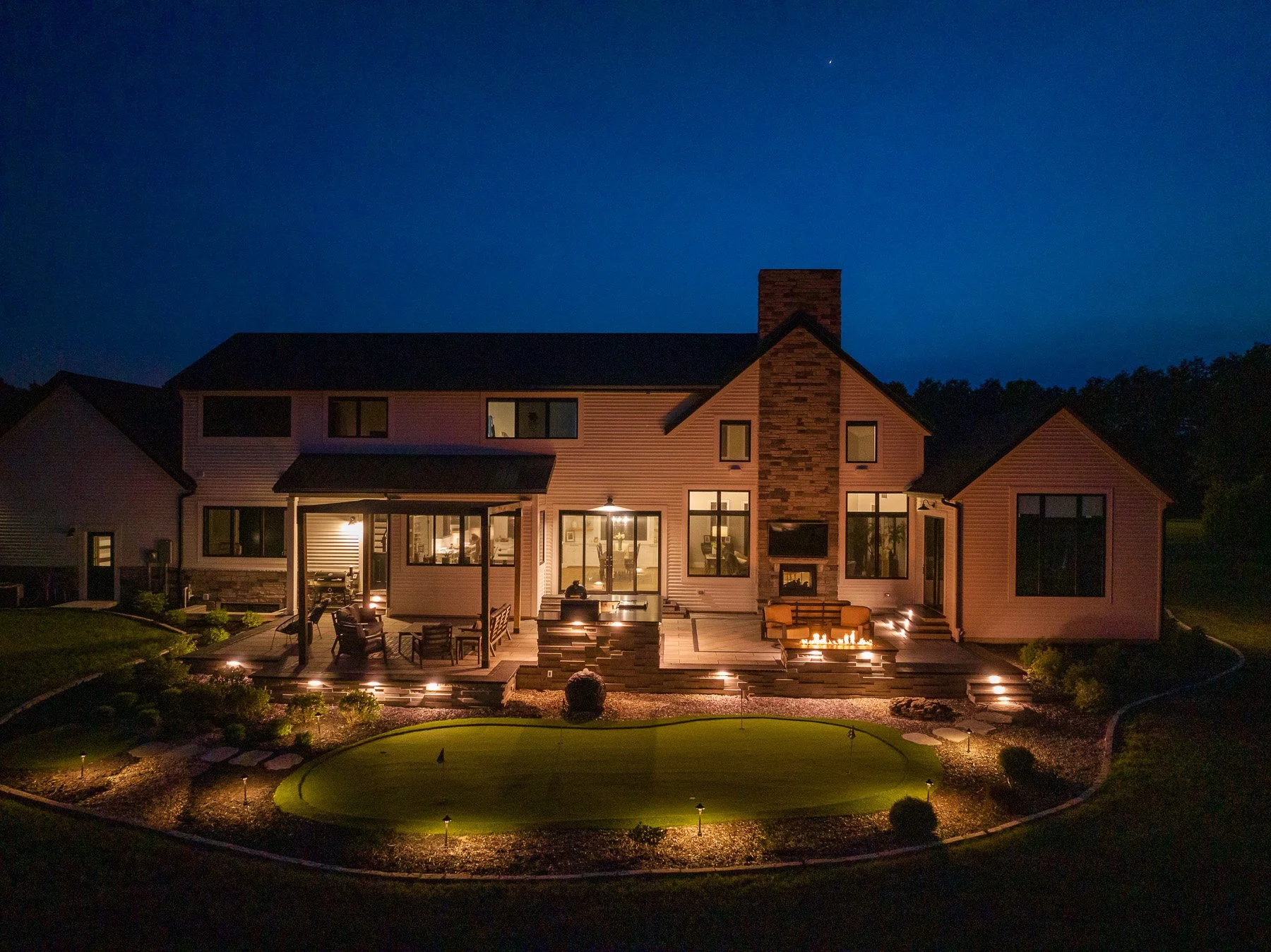
Outdoor lighting does a lot of great things for your home — it improves curb appeal, extends the usability of your outdoor spaces, enhances security, and adds value to your property. But like any home system that involves electricity and outdoor conditions, outdoor lighting safety is something every homeowner needs to take seriously. Whether you're planning a new installation, maintaining an existing system, or just trying to make sure your current setup is as safe as it should be, this guide covers the outdoor lighting safety basics every DFW homeowner needs to know.
Use the Right Fixtures for the Right Locations
One of the most common outdoor lighting safety mistakes homeowners make is using fixtures that aren't rated for the conditions they're installed in. Outdoor lighting fixtures are rated by their level of weather protection — and not all outdoor-rated fixtures are rated for the same conditions.
Fixtures installed in covered areas that are protected from direct rain require a different rating than fixtures exposed to direct weather. Fixtures installed near or in water — around pools, in garden beds with irrigation, near fountains — require wet-location or submersible ratings. Using a fixture with an insufficient rating for its location creates both a performance problem and a genuine safety hazard over time as moisture infiltrates the housing.
Professional outdoor lighting installation handles fixture selection as a matter of course — every fixture is matched to its intended location's conditions. For homeowners managing existing systems, it's worth verifying that all fixtures are appropriately rated for where they're installed.
Low-Voltage Systems Are the Safest Choice for Landscape Lighting
The vast majority of professional residential landscape lighting installations use low-voltage LED systems — typically 12 volts — rather than line-voltage systems. This is the right choice from both a performance and an outdoor lighting safety standpoint.
Low-voltage systems operate at a voltage level that significantly reduces the risk of serious injury from accidental contact with wiring or fixtures. They're also more forgiving of the conditions that outdoor wiring experiences — ground movement, moisture, physical contact from lawn maintenance — than higher-voltage systems. For homeowners evaluating outdoor lighting options, low-voltage LED is the safe, professional standard.
Keep All Wiring Properly Buried and Protected
One of the most important outdoor lighting safety practices is ensuring that all wiring runs are properly buried and protected. Wire that runs along the surface of the ground — even in conduit — is vulnerable to damage from lawn mowers, string trimmers, edgers, and digging activity. Damaged wire is both a performance problem and a safety hazard.
Professional outdoor lighting installation buries all wire runs at appropriate depths and routes them away from areas of regular lawn maintenance activity. For homeowners with existing systems, a periodic inspection of any wire runs that are near the surface is a worthwhile outdoor lighting safety practice — especially after any landscaping or lawn maintenance work that involved digging.
Don't Overload Your Transformer
Every low-voltage landscape lighting system is powered by a transformer — and every transformer has a maximum load capacity measured in watts. Overloading a transformer by connecting more fixtures than its capacity allows is one of the most common causes of outdoor lighting problems, and it's also a safety concern.
Signs of an overloaded transformer include consistently dim fixtures, flickering lights across the system, and a transformer that runs hot to the touch. If you're adding fixtures to an existing system, have a professional verify that the transformer has sufficient capacity for the expanded load before making the additions.
Inspect Your System After Severe Weather
DFW weather can be hard on outdoor lighting systems. After significant weather events — hail storms, high winds, heavy rain, ice storms — it's worth doing a visual inspection of your outdoor lighting system to check for damage. Look for cracked fixture lenses, fixtures that have been knocked out of position, any wiring that may have been disturbed by fallen branches or debris, and transformer damage.
Addressing weather-related damage promptly is an important outdoor lighting safety practice. A cracked fixture housing that allows moisture infiltration, or a wire run that was damaged by a fallen branch, will continue to degrade and create larger problems if left unaddressed.
Never DIY Electrical Work You're Not Qualified to Do
Low-voltage landscape lighting wiring is generally considered safe for homeowners to work with — the voltage levels involved make it a reasonable DIY territory for fixture replacements and minor wire repairs. But transformer installation, line-voltage connections, and any work that involves your home's main electrical panel should always be handled by a licensed professional.
This is a straightforward outdoor lighting safety rule that applies regardless of how confident you feel about your electrical skills. The risks of line-voltage electrical work done incorrectly are serious enough that professional installation is always the right choice.
Schedule Regular Professional Maintenance
The best long-term outdoor lighting safety practice is regular professional maintenance. A trained technician inspecting your system annually or biannually catches issues — corroded connections, degraded wire insulation, moisture-infiltrated fixtures — before they become safety hazards. It also keeps the system performing at its best, which is the whole point of having it in the first place.
At Texas Smart Lights, our maintenance service covers all the outdoor lighting safety basics alongside the performance and aesthetic checks — full system inspection, connection testing, transformer assessment, and wire run evaluation. It's the most reliable way to keep your system both beautiful and safe year after year.

At Texas Smart Lights, outdoor lighting safety is built into everything we do — from the materials we select and the installation practices we follow to the ongoing maintenance service we provide for systems across the DFW Metroplex. Every installation is designed and executed to perform beautifully and operate safely for the long term.
Schedule your free consultation today at txsmartlights.com.
Transform your landscape with our expert tree and lighting services. Our skilled team creates captivating outdoor spaces that radiate beauty and invite enjoyment.