


Transform your landscape with our expert tree and lighting services. Our skilled team creates captivating outdoor spaces that radiate beauty and invite enjoyment.
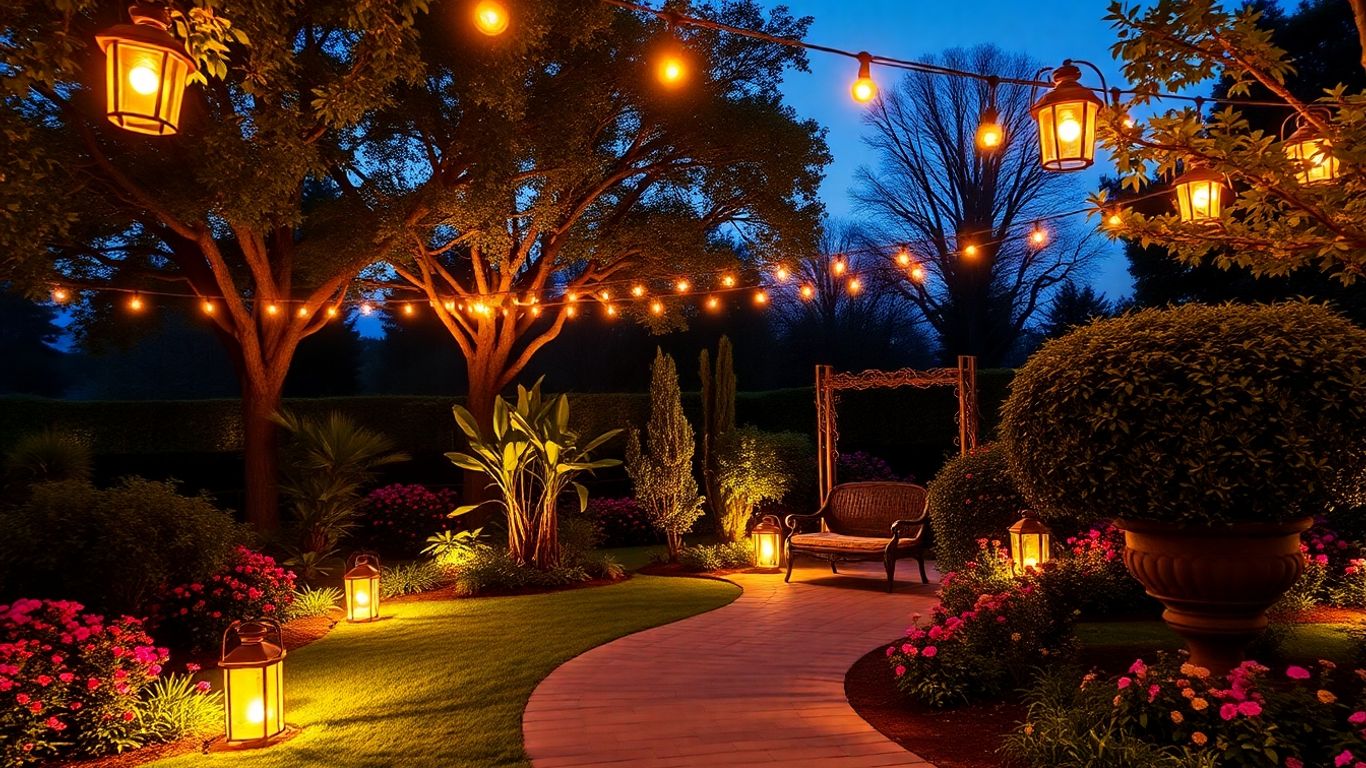
There's a specific moment that a lot of homeowners describe when they talk about why they finally decided to invest in professional landscape lighting design. They're driving home after dark, they turn onto their street, and they see their house the way a stranger would see it — dark facade, invisible landscaping, nothing inviting about it after sunset. Then they look two houses down at the neighbor who had landscape lighting installed last spring — warm light tracing the roofline, trees glowing from below, the driveway clearly lit, the whole property looking welcoming and beautiful — and they think: that's what I want.
If that moment sounds familiar, this guide is for you. Here's everything DFW homeowners need to know about landscape lighting design — what makes it work, what the options are, and how to get a result that makes your home look as good after dark as it does during the day.
What Landscape Lighting Design Actually Means
Landscape lighting design isn't just about putting fixtures in the ground and turning them on. It's a deliberate process of using light, shadow, and placement to highlight the best features of your property, create a cohesive visual experience, and make your home feel beautiful and welcoming from the street — and from inside looking out.
A good landscape lighting design considers your home's architecture, your landscaping, the sightlines from the street and from inside your home, the activities you use your outdoor spaces for, and your personal aesthetic preferences. It uses multiple lighting techniques layered together — not a single type of fixture scattered around the yard — to create depth, dimension, and visual interest that makes the property look intentional and designed.
The difference between a good landscape lighting design and a bad one is immediately visible. A good design feels natural and beautiful — like your home is simply well-lit. A bad design feels arbitrary — lights that don't quite point at the right things, sections that are too bright or too dark, an overall look that seems random rather than planned.
The Core Landscape Lighting Design Techniques
Professional landscape lighting design uses a combination of these techniques to create a complete, layered result:
Uplighting places fixtures at ground level and aims them upward at trees, architectural features, and large shrubs. It's one of the most widely used techniques in landscape lighting design because of how dramatically it transforms the way trees and structures look at night.
Moonlighting mounts fixtures high in tree canopies and aims them downward, creating the soft, dappled glow of natural moonlight on the ground below. It's the most organic-feeling technique in landscape lighting design — it doesn't look installed, it looks natural.
Path lighting lines driveways and walkways with low-profile fixtures that guide foot traffic safely and add definition to the ground level of your property. No landscape lighting design is complete without thoughtful pathway coverage.
Accent lighting highlights specific focal points — a water feature, a sculpture, a decorative wall, an outdoor kitchen. It adds personality and visual depth to a design that might otherwise feel flat.
Bistro and string lighting creates atmosphere in outdoor entertaining areas — patios, pergolas, decks. It's the technique that makes a backyard feel like a destination after dark rather than just a yard.
What Makes a Great Landscape Lighting Design for DFW Homes
DFW properties have specific characteristics that the best landscape lighting designs in our area account for:
Large shade trees — oaks, pecans, elms — that are perfect candidates for uplighting and moonlighting. Wide front yards with long sightlines from the street that reward well-designed roofline and facade lighting. Significant outdoor entertaining spaces that benefit from bistro lighting and layered backyard designs. Clay soil that moves seasonally and requires fixture placement that accounts for long-term ground movement.
The best landscape lighting designers in the DFW area understand these local conditions and design systems that will look great and perform reliably through North Texas seasons.
The Landscape Lighting Design Process at Texas Smart Lights
Our landscape lighting design process starts with a free consultation at your property. We walk the space with you during the day to understand the architecture, the landscaping, and your vision. Then — and this is the part that sets us apart — we come back at night for a demonstration lighting session before any permanent installation begins.
During the demonstration, we place temporary fixtures to show you exactly what the finished design will look like. You see the uplighting on your trees, the pathway coverage, the overall effect — before you commit to anything. We adjust based on your feedback, and only once you're completely happy with what you're seeing do we move forward with permanent installation.
It's the most honest way to sell landscape lighting design — because you're not buying a promise, you're buying something you've already seen and approved.
Texas Smart Lights: Landscape Lighting Design Across DFW
At Texas Smart Lights, landscape lighting design is what we do and what we love. We're a family-owned company serving the DFW Metroplex with decades of combined experience, commercial-grade materials, and a genuine passion for transforming how properties look after dark.

Every landscape lighting design we create is custom — built around your specific property, your landscaping, your architecture, and your goals. We don't do templates. We do designs that make your home look exactly the way you've been imagining it.
Schedule your free landscape lighting design consultation at txsmartlights.com.
Transform your landscape with our expert tree and lighting services. Our skilled team creates captivating outdoor spaces that radiate beauty and invite enjoyment.