


Transform your landscape with our expert tree and lighting services. Our skilled team creates captivating outdoor spaces that radiate beauty and invite enjoyment.
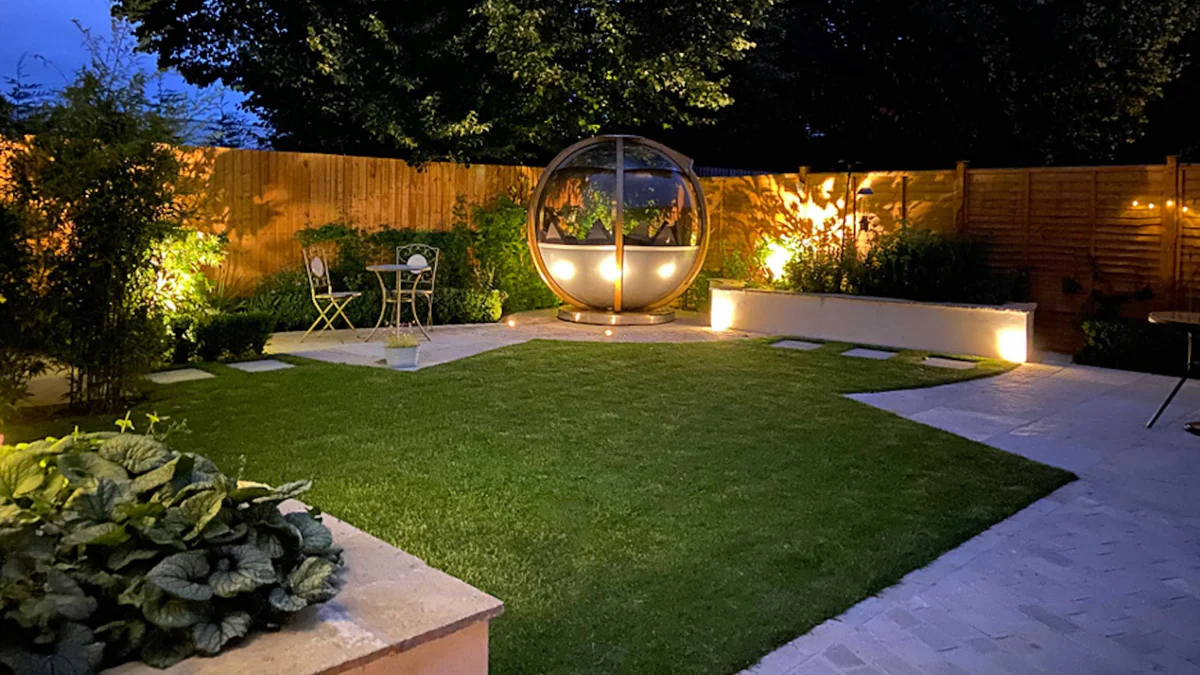
Your backyard is more than just a patch of grass—it’s a place for family gatherings, late-night dinners, and quiet relaxation. With the right backyard lighting design, you can extend your enjoyment of outdoor spaces long after sunset while boosting curb appeal and safety.
Whether you're just getting started or looking to upgrade your existing system, this guide will walk you through how to create the ideal backyard lighting layout.
Before choosing fixtures, define how you use different parts of your backyard. Common outdoor zones include:
Once you’ve outlined your zones, design lighting that enhances each one with a mix of visibility, mood, and comfort.
A professional backyard lighting layout uses layering, which means combining different types of light for depth and balance.
Smart Light Landscape Lighting specializes in creating layered systems that provide the perfect mix of warmth and function.
Pathway lights don’t just guide your steps—they define the natural flow of your yard and prevent accidents.
Tips:
This subtle touch adds elegance and safety to any backyard design.
Your backyard may have trees, sculptures, flower beds, or architectural elements worth showing off.
Consider:
Accent lighting brings dimension to your backyard and keeps it visually interesting after dark.
It’s tempting to flood the yard with light, but that can create harsh shadows and unnecessary glare. Instead:
A great lighting layout is about quality, not just quantity.
Modern lighting systems can be managed from your smartphone with features like dimming, scheduling, and zone control.
Smart Light Landscape Lighting installs energy-efficient LED systems with optional smart home integration, giving you full control over your lighting without added stress or energy waste.

Designing a backyard lighting layout that checks every box—beauty, safety, and functionality—requires expertise. That’s where Smart Light Landscape Lighting comes in. Our team will assess your property, understand your goals, and craft a system that makes your backyard shine.
Ready to transform your outdoor space? Call us today to schedule a consultation.
Transform your landscape with our expert tree and lighting services. Our skilled team creates captivating outdoor spaces that radiate beauty and invite enjoyment.