


Transform your landscape with our expert tree and lighting services. Our skilled team creates captivating outdoor spaces that radiate beauty and invite enjoyment.
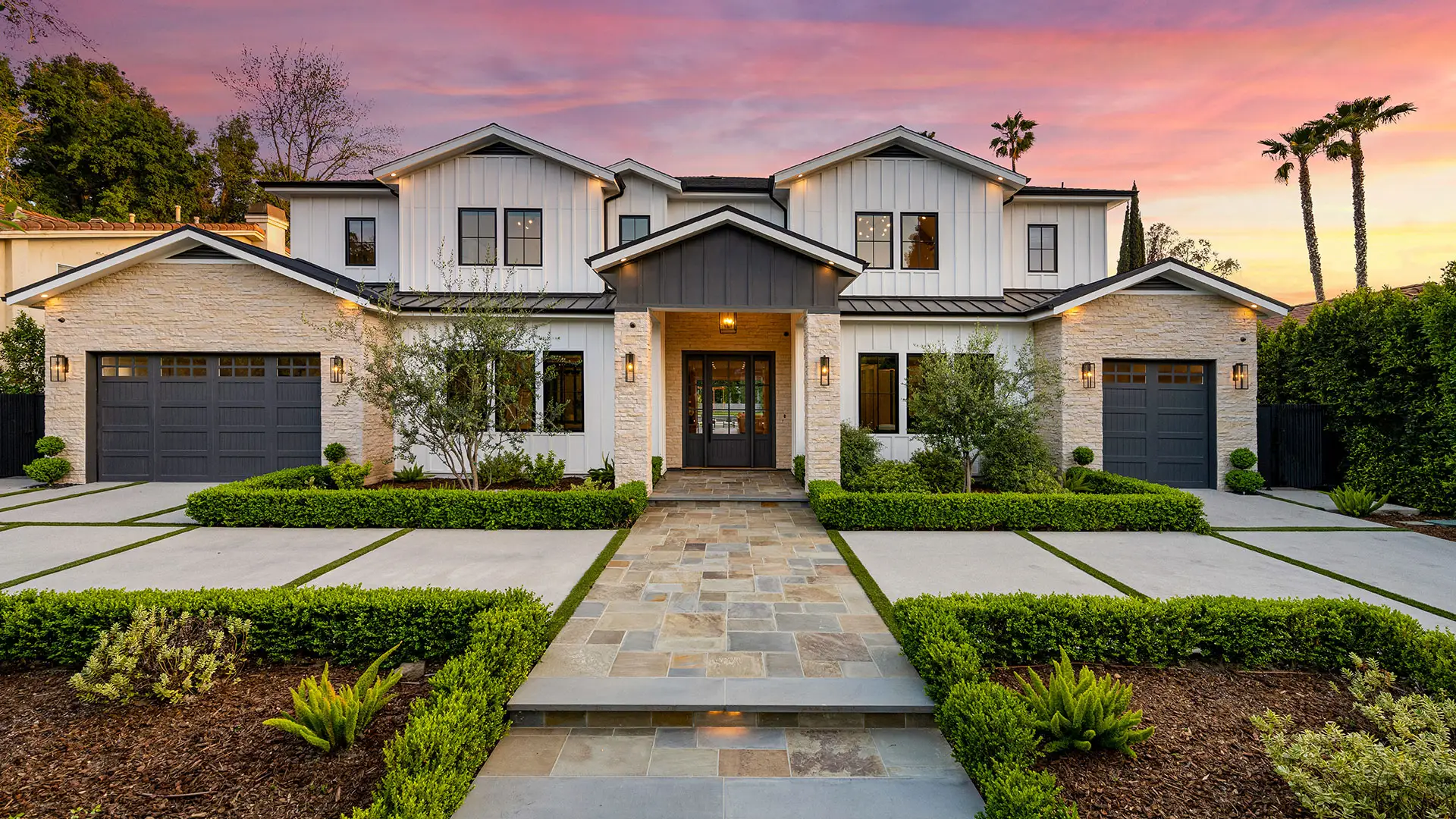
Outdoor lighting isn’t just about where you place your fixtures—it’s also about the color temperature of the light you use. The right color temperature can set the mood, enhance landscaping features, and make your home feel warm and inviting. Get it wrong, and your yard could look washed out, overly harsh, or just plain uninviting.
In this blog, we’ll explain what color temperature is, how it impacts outdoor spaces, and how to choose the right warmth or coolness for different areas of your yard.
Color temperature is measured in Kelvins (K) and describes the appearance of light a bulb emits:
Each color temperature evokes a different mood, so choosing the right one depends on your space and goals.
Warm white is best here. It softly lights the way without glare, guiding guests with a comfortable glow. It’s safe and stylish.
Use warm white to make your front door inviting. It complements exterior materials like stone, brick, and wood.
A neutral white can help bring out the natural colors of foliage without making greens look too yellow or too blue. Trees often look more dramatic when uplighted with 3000K–3500K tones.
Cooler temperatures improve visibility and alertness. Use them sparingly around garages, driveways, and corners of the home—but avoid overusing cool white as it can feel harsh and commercial.
For comfort and ambiance during evenings, warm lighting is ideal. It sets a relaxed mood and enhances the atmosphere for gatherings.
While it’s possible to mix lighting temperatures in a design, doing it incorrectly can create a jarring visual effect. A pro tip is to stay within the same 300–500K range throughout a zone to maintain cohesion.
That’s why working with a professional like Smart Light Landscape Lighting is essential—they’ll ensure your color temperatures are thoughtfully coordinated for both beauty and functionality.
One of the best things about modern LED systems is the ability to choose your exact color temperature—or even adjust it dynamically with smart systems. LEDs offer:
Outdoor lighting isn’t just functional—it’s part of your home’s personality. Choosing the right color temperature ensures your landscape looks stunning and feels inviting every night.

Smart Light Landscape Lighting offers custom outdoor lighting designs that match your home’s style and purpose—down to the perfect shade of light. Reach out today to bring balance, warmth, and brilliance to your yard.
Transform your landscape with our expert tree and lighting services. Our skilled team creates captivating outdoor spaces that radiate beauty and invite enjoyment.